
The Ultimate Guide to Concrete Driveways: Durability Meets Design
Concrete driveways are an exceptional choice for property owners seeking a durable, versatile, and visually striking surface for their homes. This guide explores every essential aspect of concrete driveways, from selecting quality materials and planning custom layouts to mastering long-term surface care. As modern homeowners prioritize long-lasting architectural solutions, the market for high-performance building materials continues to expand globally. According to Gitnux, the global ready-mixed concrete market is expected to reach USD 849.2 billion by 2030. With an incredible range of textures and decorative finishes available today, a professionally engineered concrete driveway can be customized to elevate both traditional and contemporary homes, providing unmatched durability and undeniable curb appeal.
1. Understanding Concrete Driveways
A concrete driveway is engineered from a precise mixture of cement, water, sand, and coarse aggregates. When properly cured, this compound creates a dense, rock-hard slab capable of supporting heavy vehicles and enduring severe weather. Modern ready-mixed technology ensures incredible load-bearing strength, making concrete far superior to short-term surfacing alternatives.
Concrete offers outstanding long-term performance. Unlike asphalt, which softens under intense summer heat, concrete maintains its structural integrity without slumping or rutting. It allows for extensive design customization through tinting, stamping, and textured finishes. While freeze-thaw cycles can cause surface cracking if expansion joints are improperly installed, routine sealing and professional construction easily mitigate these risks.
When evaluating driveway options, concrete strikes an ideal balance between upfront investment and decades of reliable performance.
- Asphalt: Offers a lower initial installation price but requires frequent resealing every few years and deteriorates much faster in hot climates.
- Gravel: Highly budget-friendly initially, but gravel continuously shifts, generates dust, creates ruts, and requires constant raking and replenishment.
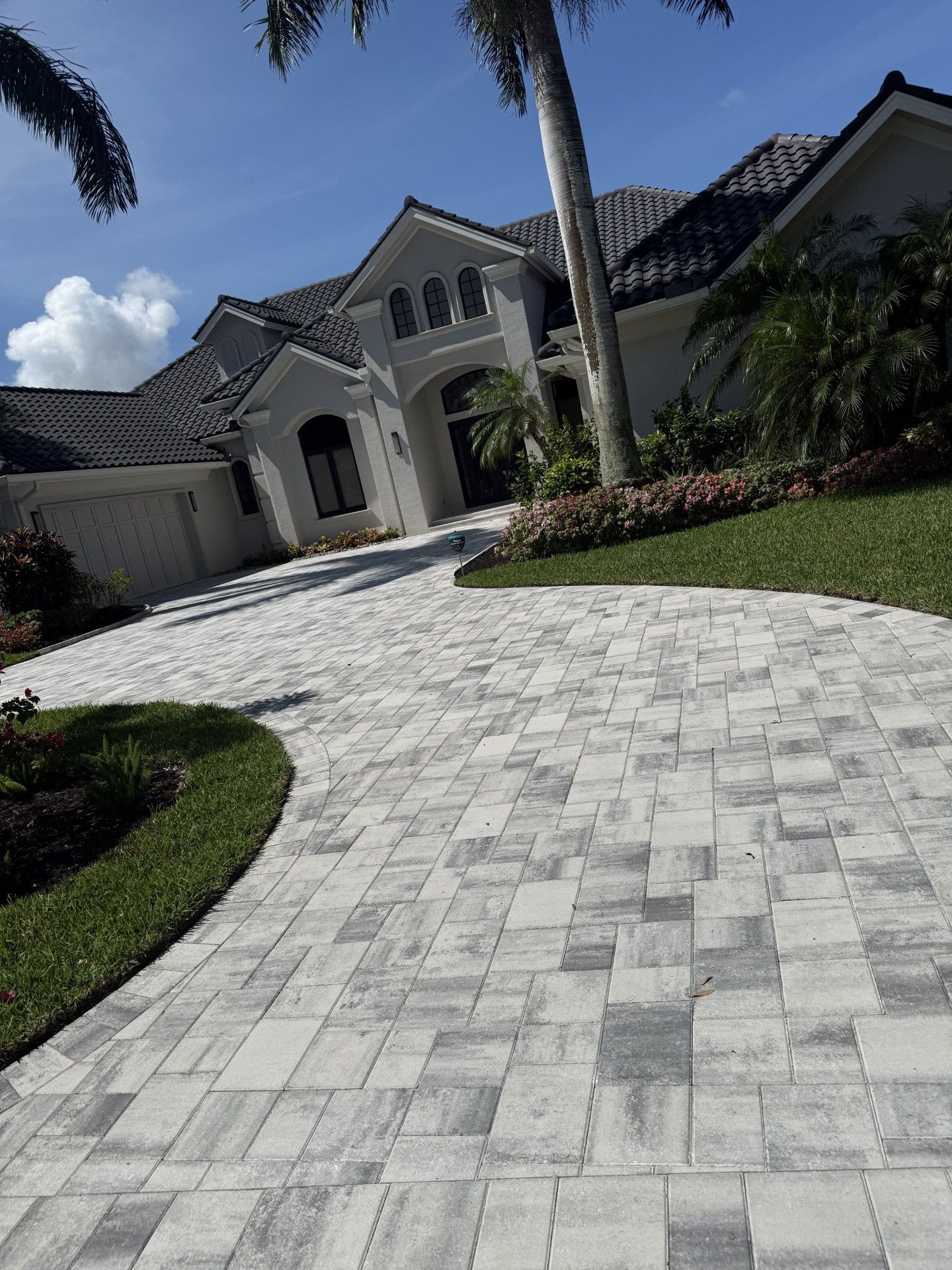
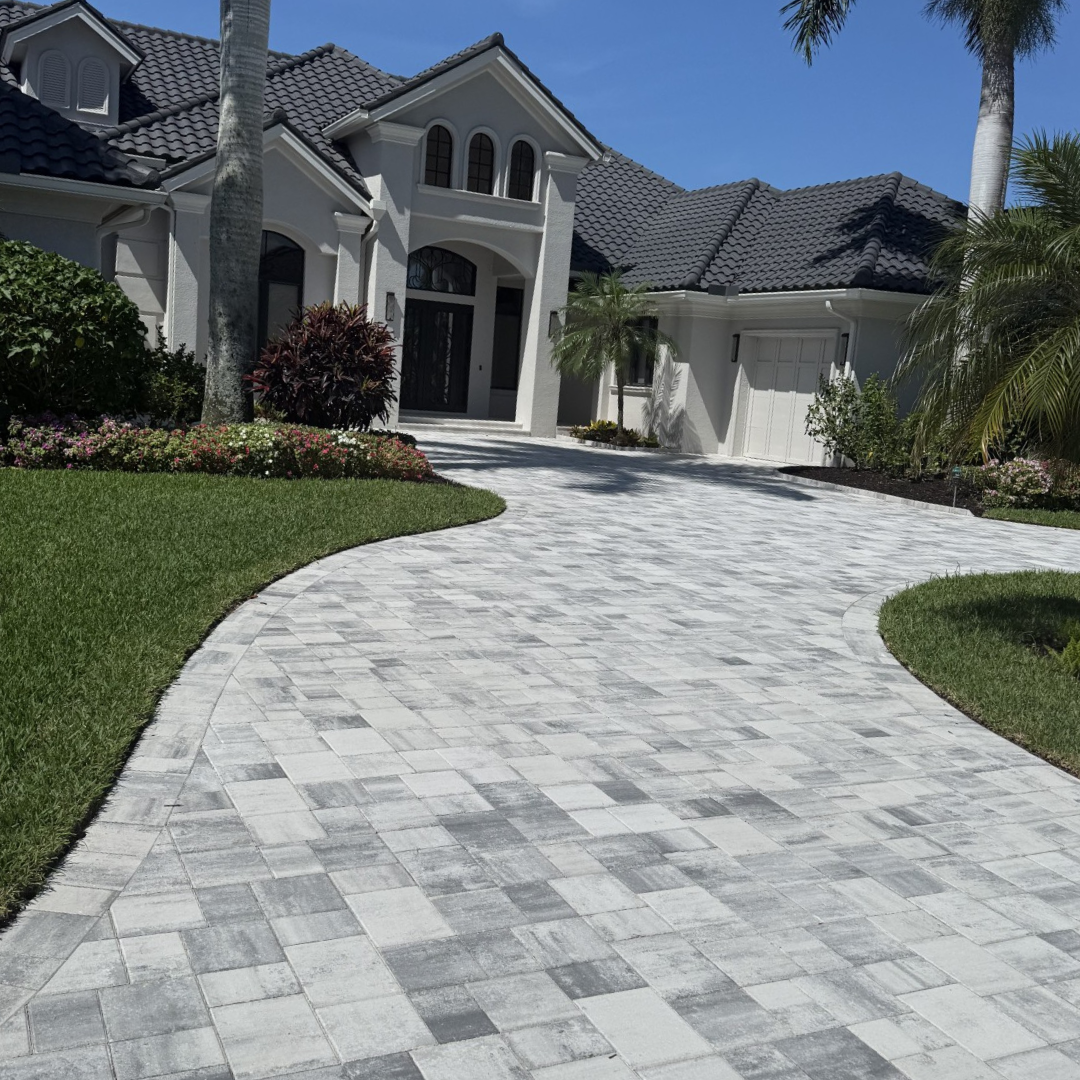
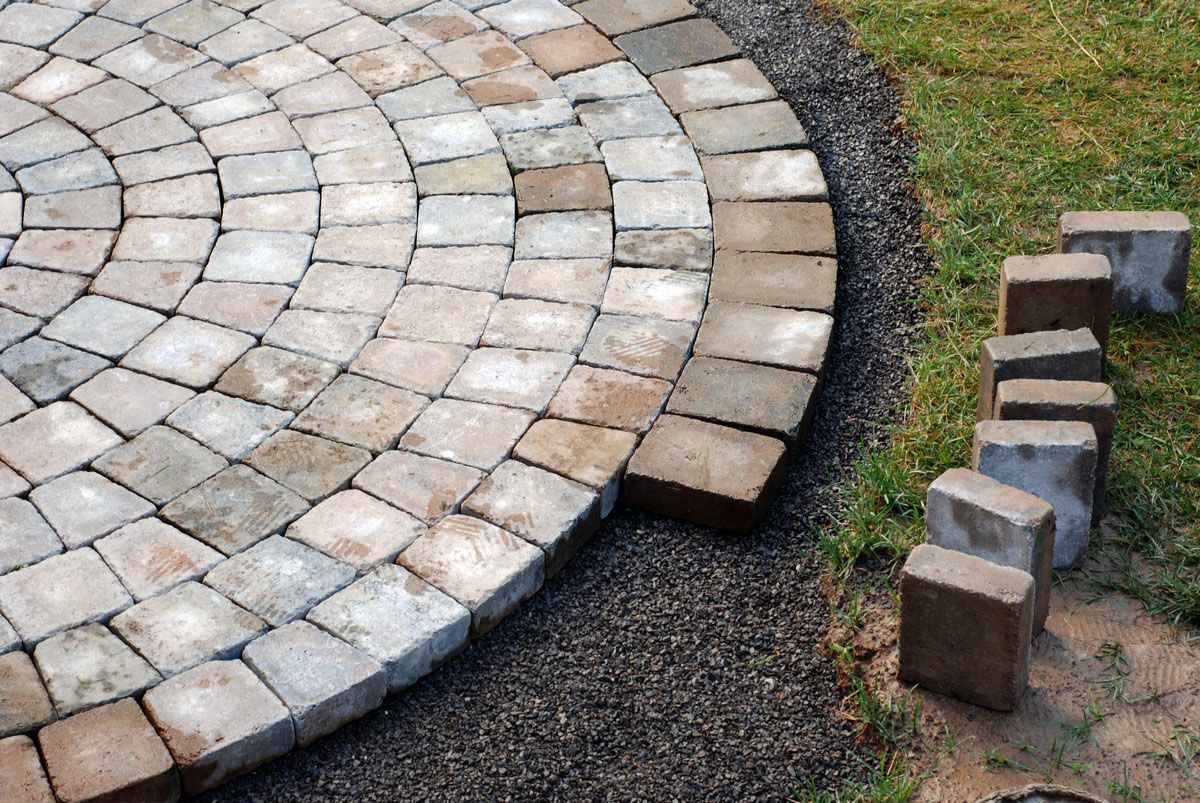
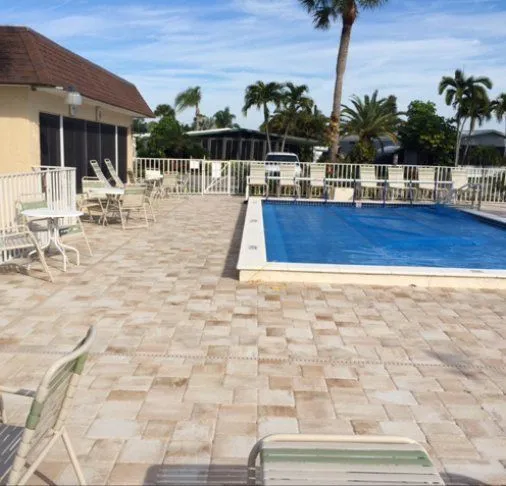
- Walkway Pavers: Installing interlocking walkway pavers creates a stunning, highly decorative look for pathways, but paving large driveway areas requires high labor costs and ongoing weed control between joints.
Modern concrete manufacturing increasingly incorporates industrial byproducts like fly ash and slag, significantly reducing carbon footprints. Additionally, installing permeable concrete or bordering your driveway with permeable walkway pavers helps direct rainwater back into local aquifers, preventing storm runoff and supporting eco-friendly residential design.
2. Planning and Design Considerations
A successful installation requires careful planning around climate, heavy vehicle traffic, and home architecture. In freezing climates, concrete formulations require air-entraining additives and internal wire mesh to resist frost-heave cracking.
Concrete driveways no longer have to be plain grey slabs. Stamped concrete can convincingly emulate natural fieldstone, slate, or traditional brick. Homeowners frequently install decorative concrete borders or integrate surrounding walkway pavers to define driveways, entryways, and garden paths.
Selecting a licensed, insured contractor with a solid reputation is crucial. Homeowners should always request itemized bids and review portfolios of past projects. Furthermore, local municipal codes dictate specific property setbacks, drainage slope requirements, and maximum driveway widths. Working with an experienced contractor ensures that all local building permits are properly secured before excavation begins.
3. Professional Installation Process
Proper site preparation forms the foundation of any long-lasting driveway. The subgrade must be thoroughly cleared of organic debris, graded for proper drainage, and mechanically compacted to prevent uneven settling over time.
A sturdy gravel subbase is compacted over the soil before wood or metal forms outline the driveway's dimensions. During the pour, technicians use specialized vibrators and screeds to eliminate air pockets, ensuring the concrete consolidates uniformly around internal reinforcement.
To handle heavy passenger vehicles, concrete slabs should feature embedded rebar or heavy-gauge wire mesh. Modern contractors also incorporate synthetic micro-fibers directly into the concrete mix. This multi-layered reinforcement distributes heavy axle loads evenly and controls micro-cracking across the slab.
Once the poured concrete begins to set, trowels smooth the surface, and edgers create rounded perimeters to prevent chipping. Applying a broom finish provides vital slip resistance during wet weather. Finally, keeping the concrete moist during the curing process allows the material to reach its maximum design strength. Skipping proper curing techniques drastically reduces the concrete's ultimate lifespan and surface durability.
4. Maintenance, Stain Removal, and Winter Care
While concrete is incredibly resilient, routine maintenance preserves its clean appearance and structural integrity for decades.
Driveways naturally collect motor oil, tire rubber, and organic debris. Promptly treating fluid leaks prevents deep staining:
- Oil and Grease: Absorb fresh spills using clay cat litter, then scrub the area with an industrial degreaser or dish soap.
- Rust Stains: Neutralize stubborn orange rust spots using a mild oxalic acid solution or commercial rust remover.
- Organic Stains: Remove leaf tannins and mold using diluted bleach solutions followed by a gentle pressure wash.
Applying a high-quality acrylic or siloxane sealer every three to five years protects the surface against water penetration, oil stains, and UV fading. If hairline cracks appear, seal them immediately with flexible masonry caulk to stop water from seeping beneath the slab.
Winter deicing salts cause severe spalling on raw concrete surfaces. Instead of harsh chemical salts, use clean sand or crushed limestone to provide foot and tire traction on icy driveways. Shovel snow promptly with non-metal blades to prevent ice accumulation, and ensure adjacent walkway pavers stay clear so melting snow drains safely away from the slab.
5. Enhancing Curb Appeal and Architectural Design
A well-designed concrete driveway does not exist in isolation; it should seamlessly integrate with your home's exterior architecture and surrounding landscape.
Softening the hard edges of a concrete driveway with manicured shrubbery, flower beds, and stone retaining walls creates a welcoming entrance. Installing low-voltage LED pathway lights or solar-powered fixtures along adjacent walkway pavers maximizes nighttime safety while highlighting architectural features.
Harmonizing your driveway's color palette with your home's siding, roofing, and front porch creates visual balance. Matching the texture of your driveway apron with existing walkway pavers leading to your front entry establishes a unified landscape design that instantly boosts property value.
6. Long-Term Financial Value and Cost Considerations
While a concrete driveway requires a higher initial investment than gravel or asphalt, its long-term financial benefits make it a wise home improvement choice.
Initial installation costs depend on site grading, slab thickness, steel reinforcement, and custom stamped finishes. However, because a well-maintained concrete driveway easily lasts 30 to 50 years without requiring total replacement, its long-term cost-per-year is significantly lower than asphalt.
Curb appeal heavily influences real estate appraisals and buyer first impressions. Replacing a cracked, deteriorated asphalt driveway with a clean, professionally finished concrete driveway or surrounding it with elegant walkway pavers yields a strong return on investment, significantly enhancing your home's marketability.
Investing in a high-quality concrete driveway is one of the most effective ways to combine long-term structural durability with elegant outdoor design. By prioritizing proper site preparation, professional reinforcement, and routine sealing, homeowners can enjoy a resilient, low-maintenance surface that effortlessly withstands heavy traffic and harsh seasonal weather for decades. A well-constructed driveway not only elevates your everyday driving and parking experience, but it also creates a lasting first impression for visitors while significantly enhancing your property's overall market value. From custom textures and decorative borders to seamless landscape integration, taking a proactive approach to your home's exterior surfaces pays off in both practical performance and undeniable visual appeal. Whether you are building a new home or upgrading an existing property, expert craftsmanship makes all the difference. Transform your home’s entrance and boost your curb appeal today by contacting the experienced specialists at Able & Willing Pavers II Inc.
Share On: