
6 Types of Pool Deck Pavers: Which Is Right for You?
Selecting the right material for your swimming area is a decision that balances safety, aesthetics, and long-term durability. The surface under your feet must remain cool in the summer heat while providing enough slip resistance to prevent accidents during poolside play. This guide explores the most popular options available today to help you determine which style and material best fit your landscape and lifestyle.
1. Exploring the Elegance of Stone
Natural stone remains a top-tier choice for homeowners seeking a high-end, organic look that blends seamlessly with the outdoors. Materials like travertine, flagstone, and slate are celebrated for their unique color variations and textures, ensuring that no two pool decks look exactly the same. Travertine is particularly prized as a choice for pool deck pavers because it stays remarkably cool under direct sunlight and naturally absorbs water, which helps prevent puddling on the surface.
While the initial investment for natural stone is higher than synthetic alternatives, the longevity of the material often justifies the cost. According to Interior God, high-quality pavers can last anywhere from 25 years to a lifetime. When you choose a stone like granite or limestone, you are investing in a surface that will weather naturally and resist the fading caused by UV rays. However, it is important to remember that some natural stones are porous and may require periodic sealing to protect them from chlorine or saltwater damage.
2. Evaluating the Versatility of Concrete Units
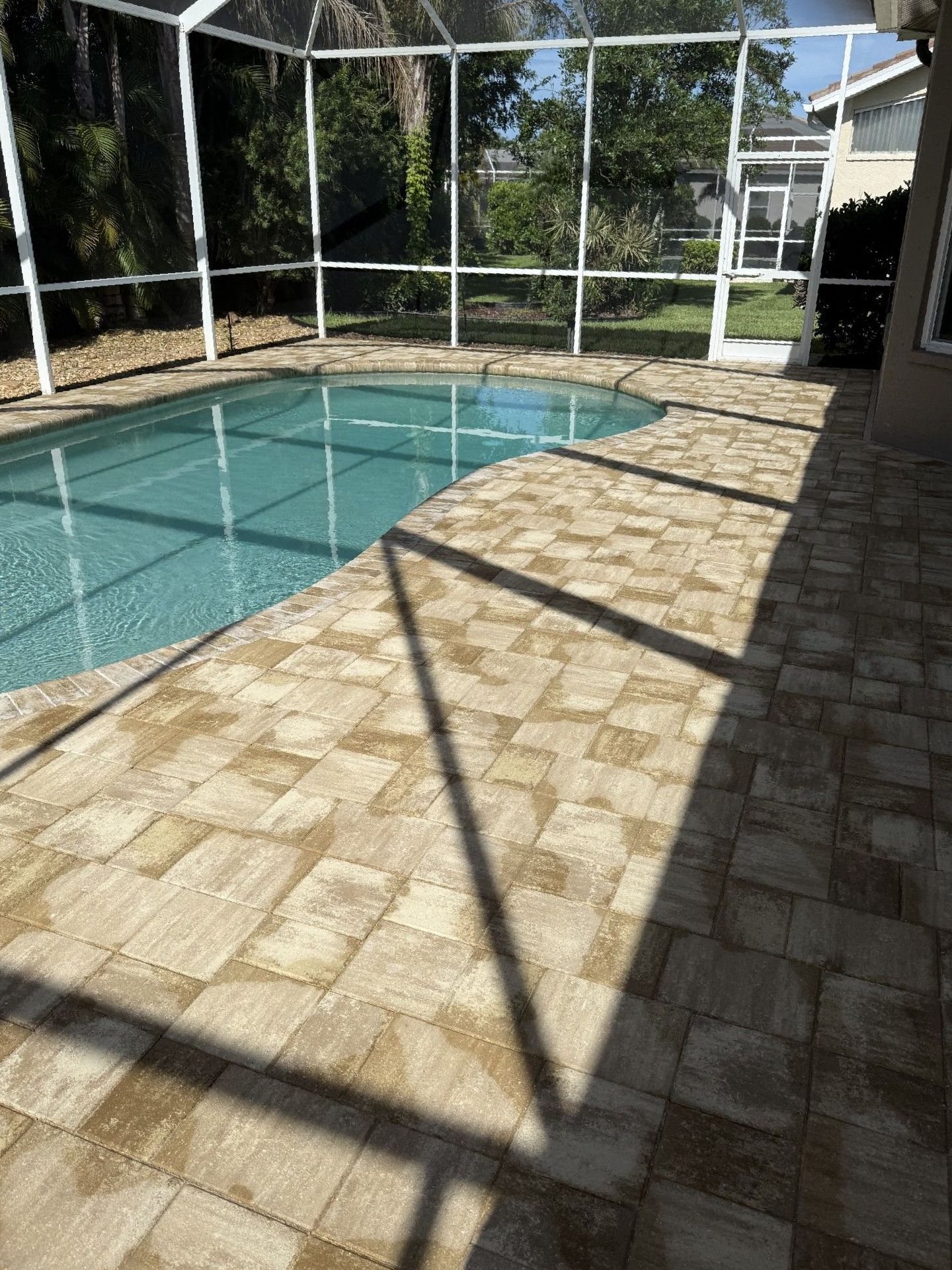
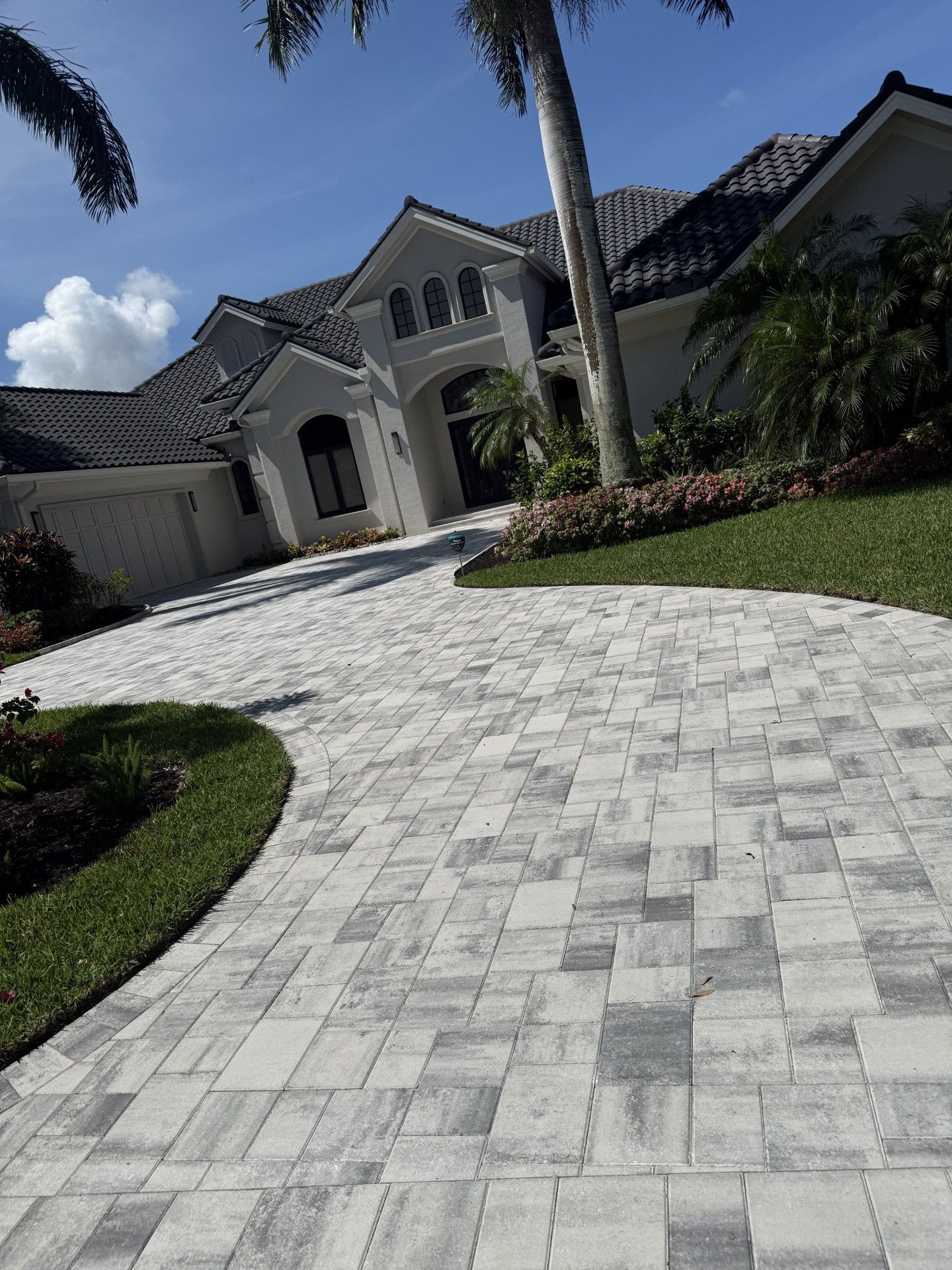
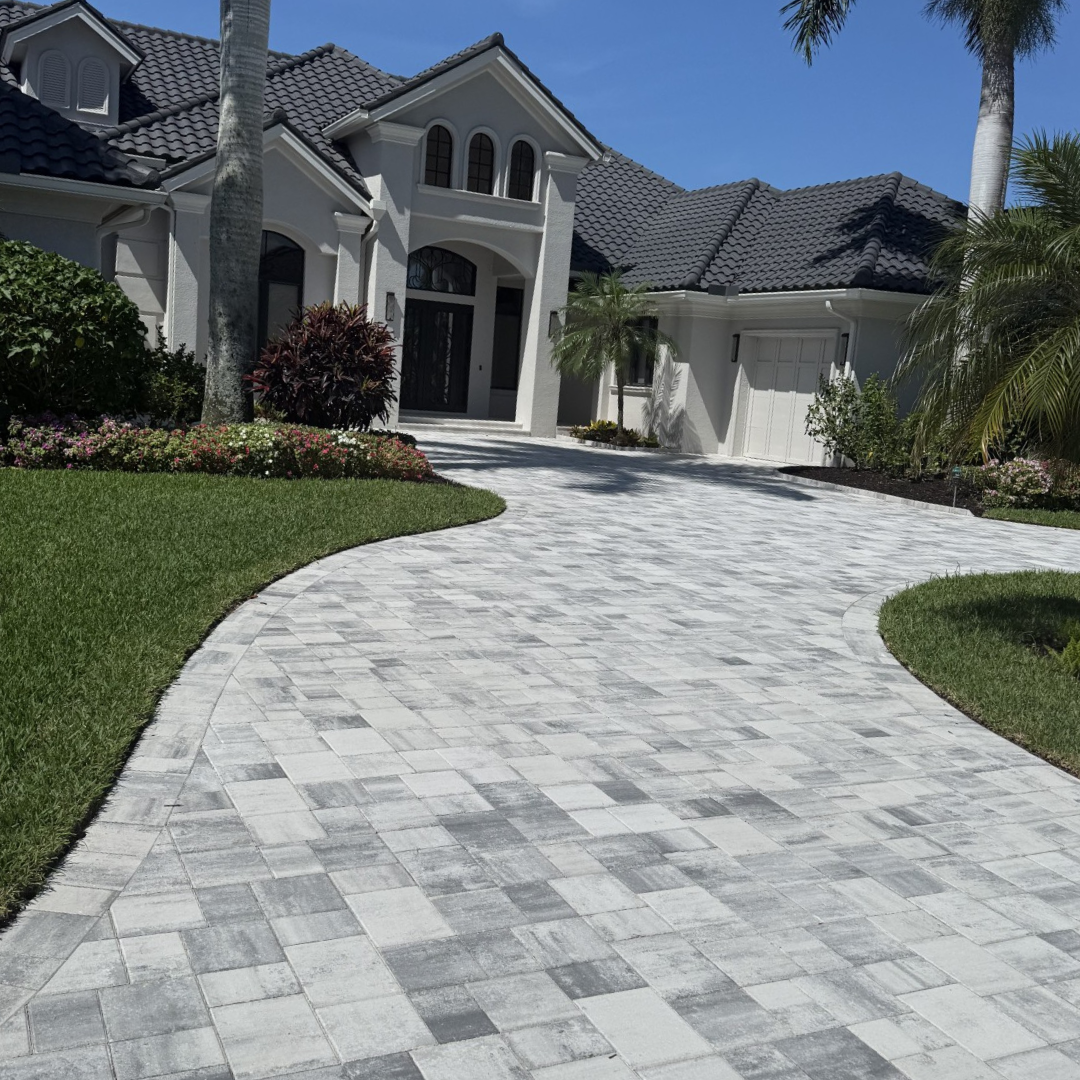
Concrete pavers are perhaps the most popular option on the market due to their incredible versatility and budget-friendly price point. These units are manufactured in a controlled environment, allowing for a massive variety of shapes, sizes, colors, and even textures that mimic wood or expensive stone. Because they are interlocking, these pool deck pavers offer a flexible pavement system that can shift slightly with the earth, preventing the unsightly cracking often seen in poured concrete slabs.
Beyond their aesthetic flexibility, concrete units are designed for high performance in wet environments. Most manufacturers incorporate slip-resistant textures into the mold, providing a grip that is essential for children running near the water’s edge. Maintenance is also relatively straightforward; if a single paver becomes stained or damaged, it can be lifted out and replaced without disturbing the rest of the deck. This modular nature makes concrete an ideal long-term solution for busy households that prioritize both function and style.
3. Understanding the Durability of Porcelain Tiles
Porcelain has recently emerged as a sophisticated contender in the world of outdoor design, moving from the kitchen to the poolside. Modern outdoor porcelain is much thicker than indoor tile, specifically engineered to withstand heavy foot traffic and extreme weather shifts. These pool deck pavers are nearly non-porous, meaning they are completely resistant to mold, mildew, and chemical erosion from pool treatments. This makes porcelain one of the most hygienic options available, as it does not trap bacteria or algae in its surface.
The visual appeal of porcelain is nearly limitless, with high-definition printing technology allowing for realistic recreations of marble, cement, or exotic hardwoods. Unlike natural wood, porcelain will never rot, warp, or require staining, giving you the look of a tropical boardwalk with none of the chores. While the installation requires a very level base and specialized thin-set or sand-set methods, the result is a perfectly flat, contemporary surface that stays looking brand-new for decades with nothing more than an occasional rinse with a hose.
4. Considering the Classic Appeal of Brick
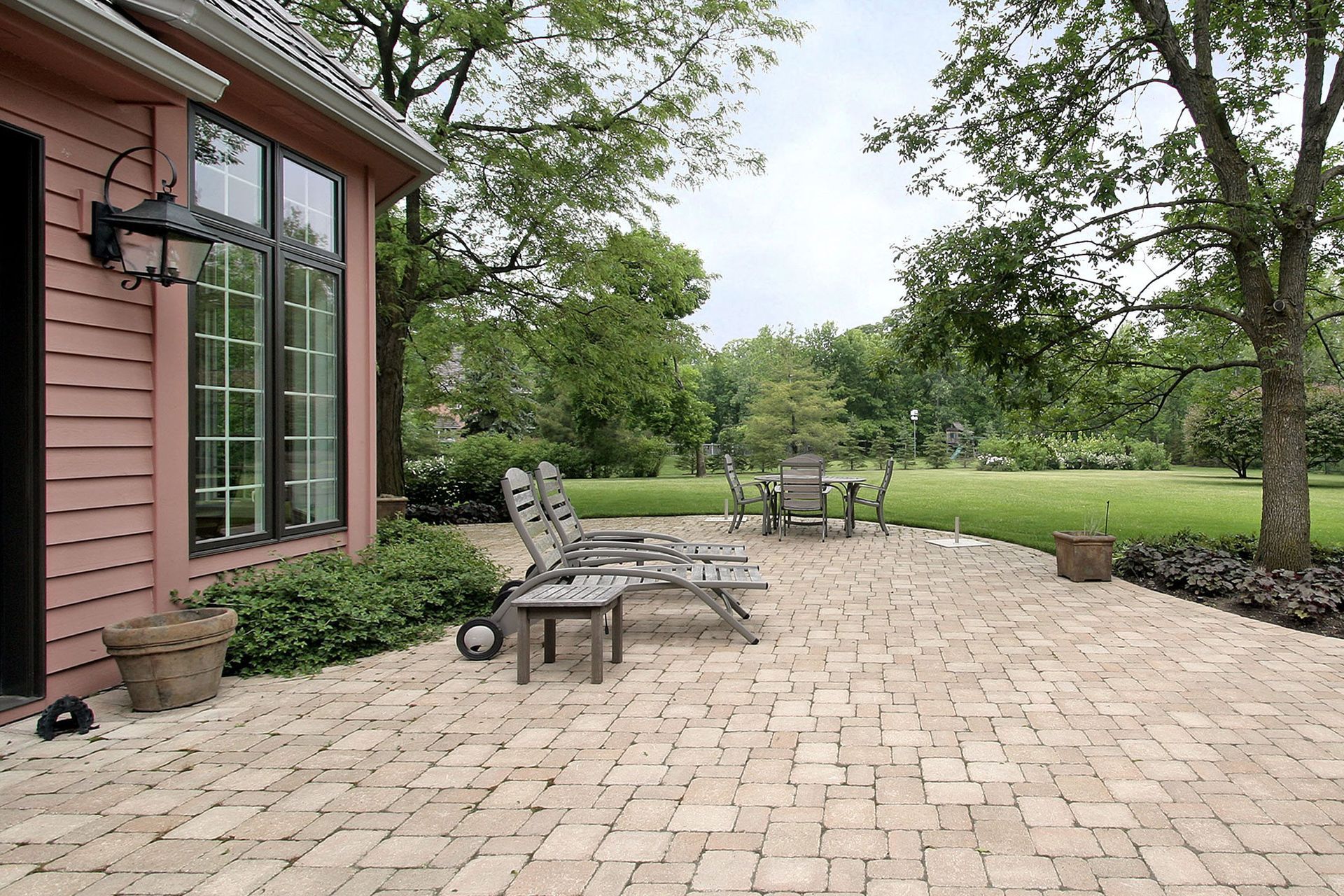
For those aiming for a traditional, colonial, or rustic aesthetic, brick remains a timeless choice that never goes out of style. Made from fired clay, brick pavers offer a rich, warm palette of reds, oranges, and browns that provide a beautiful contrast to the shimmering blue of a pool. Brick is naturally slip-resistant due to its gritty texture, and it is exceptionally color-fast, meaning it won't fade significantly even after years of exposure to the intense Texas or Florida sun.
One of the unique benefits of using brick for pool deck pavers is the variety of patterns that can be achieved, such as herringbone or running bond. These patterns don't just look good; they also help distribute weight evenly, making the deck more stable. However, brick can get quite hot compared to lighter-colored stones, so it is often best suited for pool areas that receive some afternoon shade. Additionally, because bricks are smaller than many modern stone slabs, the installation can be more labor-intensive, but the end result is a charming, "old-world" atmosphere.
5. Analyzing the Benefits of Permeable Solutions
As environmental awareness grows, many property owners are turning to permeable paving systems for their pool surrounds. These systems are designed with larger joints or specialized materials that allow rainwater and pool splashes to filter directly back into the ground rather than running off into storm drains. Utilizing permeable pool deck pavers can help manage drainage issues on your property, preventing "swamping" in low-lying areas of the yard after a heavy downpour. This proactive approach to water management significantly reduces the risk of erosion around the pool’s foundation, preserving the structural integrity of your outdoor living space.
Permeable options come in various materials, including specially designed concrete and plastic grid systems filled with gravel or grass. While they might sound purely utilitarian, many modern permeable designs are quite sleek and fit well with minimalist or industrial architectural styles. By reducing runoff, you also reduce the amount of heat the deck retains—a phenomenon known as the "heat island effect." This makes the entire pool area feel cooler and more comfortable during the peak of summer, all while supporting the local ecosystem. Homeowners can even customize the aggregate in the joints to complement their home's exterior, turning a functional drainage solution into a striking design feature.
6. Selecting the Right Texture and Finish
No matter which material you choose, the finish of your pavers is just as important as the substance itself. A "honed" finish might look beautiful and sleek in a magazine, but it can become dangerously slick when wet. For safety, it is always recommended to look for "tumbled," "brushed," or "flamed" finishes. These processes roughen the surface of the pool deck pavers just enough to provide traction for bare feet without being so abrasive that they are uncomfortable to walk or lounge on.
Furthermore, consider the "cool-feel" rating of the color you select. Darker charcoals and deep browns will absorb heat, potentially reaching temperatures that can blister skin on a 100-degree day. Lighter shades like tan, light gray, or cream reflect sunlight, keeping the surface temperature manageable. Always ask your contractor for samples to place outside in the sun for a few hours before making a final commitment; this simple "touch test" can save you years of discomfort and ensure your pool area remains a true sanctuary.
Finding the right balance between safety, heat resistance, and visual appeal is the key to a successful pool renovation. Whether you prefer the organic luxury of natural stone, the modern crispness of porcelain, or the reliable versatility of concrete, there is a paving solution that fits your specific needs. By prioritizing quality materials and professional installation, you ensure that your pool deck remains a beautiful, functional center for relaxation for many years to come. If you want to learn more about the benefits of hiring professional concrete pavers, contact Able & Willing Pavers II today to get started!
Share On: