
Important Things to Consider When Installing Lanai Pavers
Installing lanai pavers is an excellent way to enhance both the aesthetic appeal and functionality of your outdoor space. However, achieving the best results requires careful planning and consideration of various factors. Whether you’re creating a cozy backyard retreat or a sophisticated patio for entertaining guests, making informed decisions during the planning and installation process is key. Taking the time to understand your options helps ensure a durable, safe, and visually appealing outdoor space.
By considering factors such as material selection, installation methods, and long-term maintenance, you can enjoy a lanai that not only looks fantastic but stands the test of time. Additionally, understanding the broader impact of your design choices—like how color, texture, and pattern interact—can turn a simple patio into an extension of your home’s personality. A well-planned lanai improves comfort, increases property value, and provides a welcoming space for family and friends. Remember, your lanai is often one of the first areas visitors notice, so careful planning can make a lasting impression.
Choosing The Right Type of Lanai Pavers
Selecting the proper type of lanai pavers is one of the most important decisions for your project. The material, size, shape, and texture of your pavers can significantly affect the overall look, feel, and durability of your space. Common materials include concrete, brick, natural stone, and porcelain. Concrete pavers are budget-friendly and versatile, while natural stone, such as travertine or slate, exudes a luxurious appearance. Brick pavers offer a classic charm but may require more upkeep to prevent moss and algae growth. Porcelain pavers are highly durable and resistant to the elements, making them ideal for low-maintenance solutions.
When choosing shapes and sizes, consider the scale of your lanai. Rectangular and square pavers provide a clean, structured look, while irregular shapes like hexagons or cobblestones create a more natural, artistic pattern. Color selection is equally crucial; lighter tones can open up a small space, while darker colors add warmth and intimacy. Textured surfaces improve traction and help conceal dirt and scuff marks, whereas smooth finishes provide a modern and elegant look. According to LawnStarter, sealing pavers may help preserve their condition for as much as five additional years, which is particularly beneficial for high-traffic areas. By thoughtfully considering these aspects, you can select pavers that balance beauty, practicality, and longevity. Adding variety in color or pattern can also provide visual depth, giving your outdoor space a dynamic and inviting atmosphere.
Assessing The Installation Site for Lanai Pavers
Before laying any pavers, it’s essential to carefully assess your installation site. Begin by measuring your outdoor area and planning the layout to ensure optimal use of space. Incorporating pathways, seating areas, and landscaping elements enhances both functionality and aesthetic appeal.
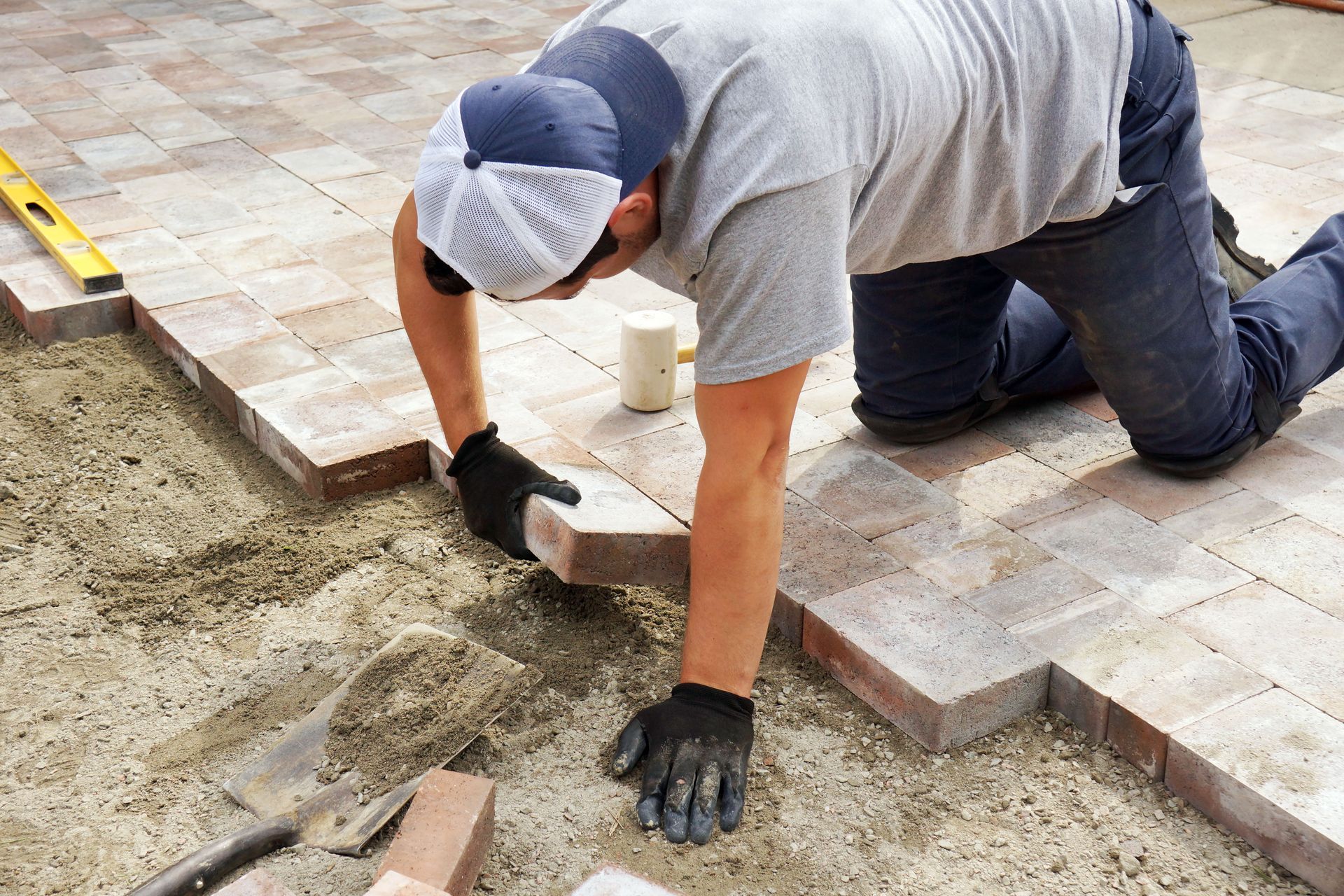
Ground preparation is critical for stability. Different soil types require varying degrees of excavation and compaction. A solid base, typically composed of gravel and sand, prevents uneven surfaces and sinking over time. Proper drainage protects your lanai pavers from water damage, pooling, and erosion. If your area receives heavy rainfall, installing drainage systems like French drains is highly recommended.
Sun and shade exposure also influences material choice. Pavers with UV-resistant properties are ideal for sunny areas, while textured surfaces improve safety in shaded areas that may stay damp longer. Local climate conditions, such as freeze-thaw cycles or extreme heat, should also inform your selection, helping ensure that your lanai withstands environmental stresses and maintains its appearance. Taking these steps during the planning stage sets the foundation for a successful installation and long-lasting results. Planning for seasonal changes, such as heavy summer rains or winter frost, further protects your investment and prevents unexpected issues down the line.
Understanding Installation Techniques for Lanai Pavers
Installation technique greatly affects the durability and appearance of your lanai. Dry laid installation, which involves placing pavers directly on sand or gravel without mortar, is cost-effective and allows for easy repairs. This method accommodates minor soil shifts and is ideal for climates with moderate weather. Mortar set installation, in contrast, offers a more permanent solution and works well in high-traffic areas or intricate designs.
Bond patterns, such as herringbone, running bond, or basket weave, influence both the visual appeal and structural integrity of the installation. Joint widths are equally important; wider joints may be preferable for irregularly shaped pavers and require additional filler materials. Edge restraint systems—made from plastic, metal, or concrete—ensure that the layout remains intact and prevents shifting over time. Proper tools, from compactors to saws, further facilitate a precise, professional-quality installation. Understanding these techniques allows you to select an approach that fits your aesthetic and functional goals while maximizing the longevity of your lanai pavers. Incorporating a combination of bond patterns and textures can also make the space more visually interesting, especially when hosting gatherings or creating focal points within the layout.
Budgeting and Cost Considerations for Lanai Pavers
Cost planning is essential when installing lanai pavers. Material costs can vary widely depending on your choice. Concrete is more affordable, while natural stone typically commands a higher price. Be sure to factor in additional materials, such as sand, mortar, and joint stabilizers.
Labor costs are another consideration. Hiring professionals ensures expertise and a quality finish, but obtaining multiple quotes can help you balance cost and value. Additional expenses may include permits, landscaping features, or preparation work to stabilize the ground. By considering both upfront costs and long-term benefits, such as reduced maintenance and durability, you can create a realistic and comprehensive budget. Planning ahead helps avoid unexpected expenses and ensures your project is completed efficiently and within financial expectations. Budgeting for extras, like decorative borders, lighting, or water features, can also elevate your lanai without disrupting the overall plan.
Enhancing The Aesthetic Appeal of Lanai Pavers
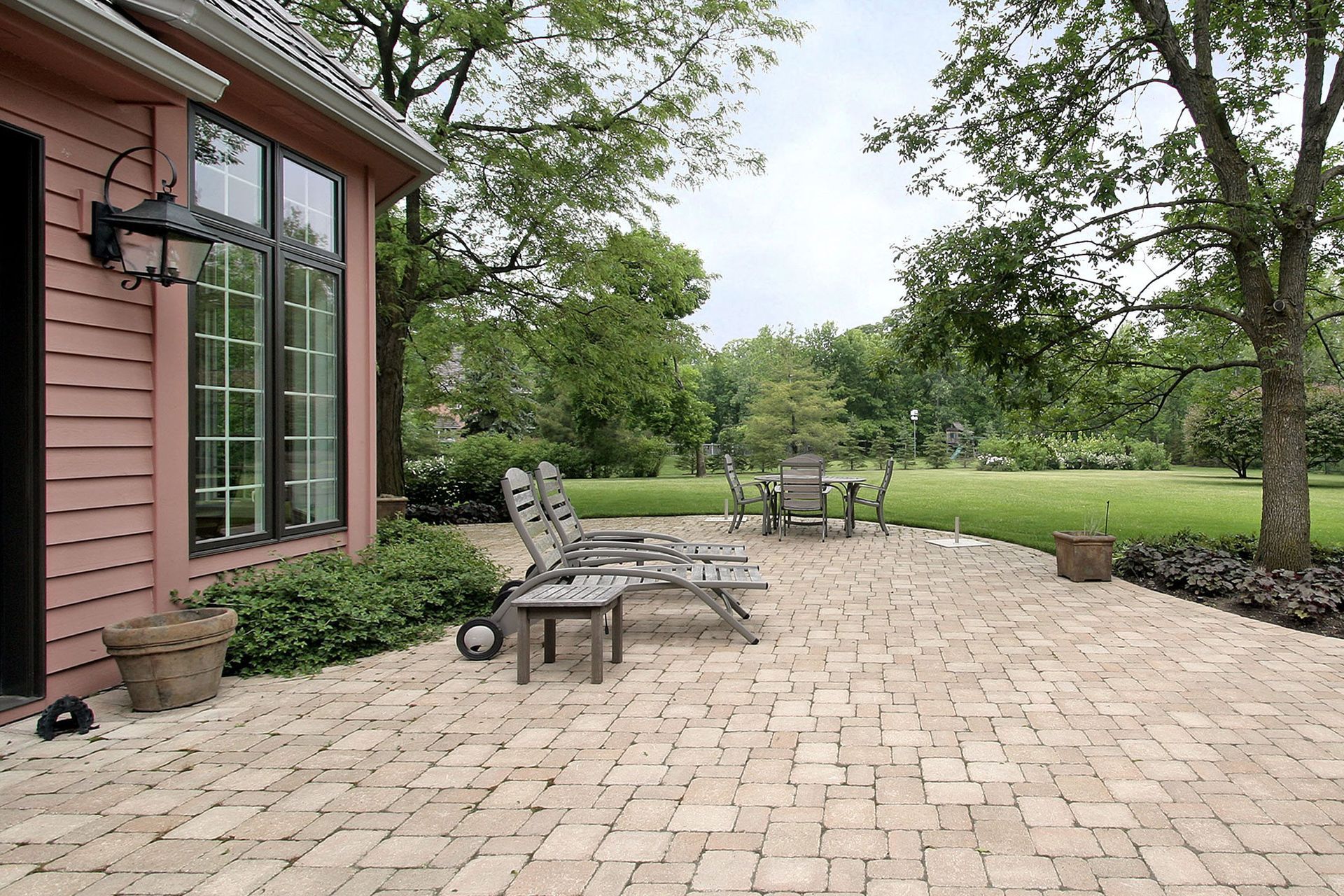
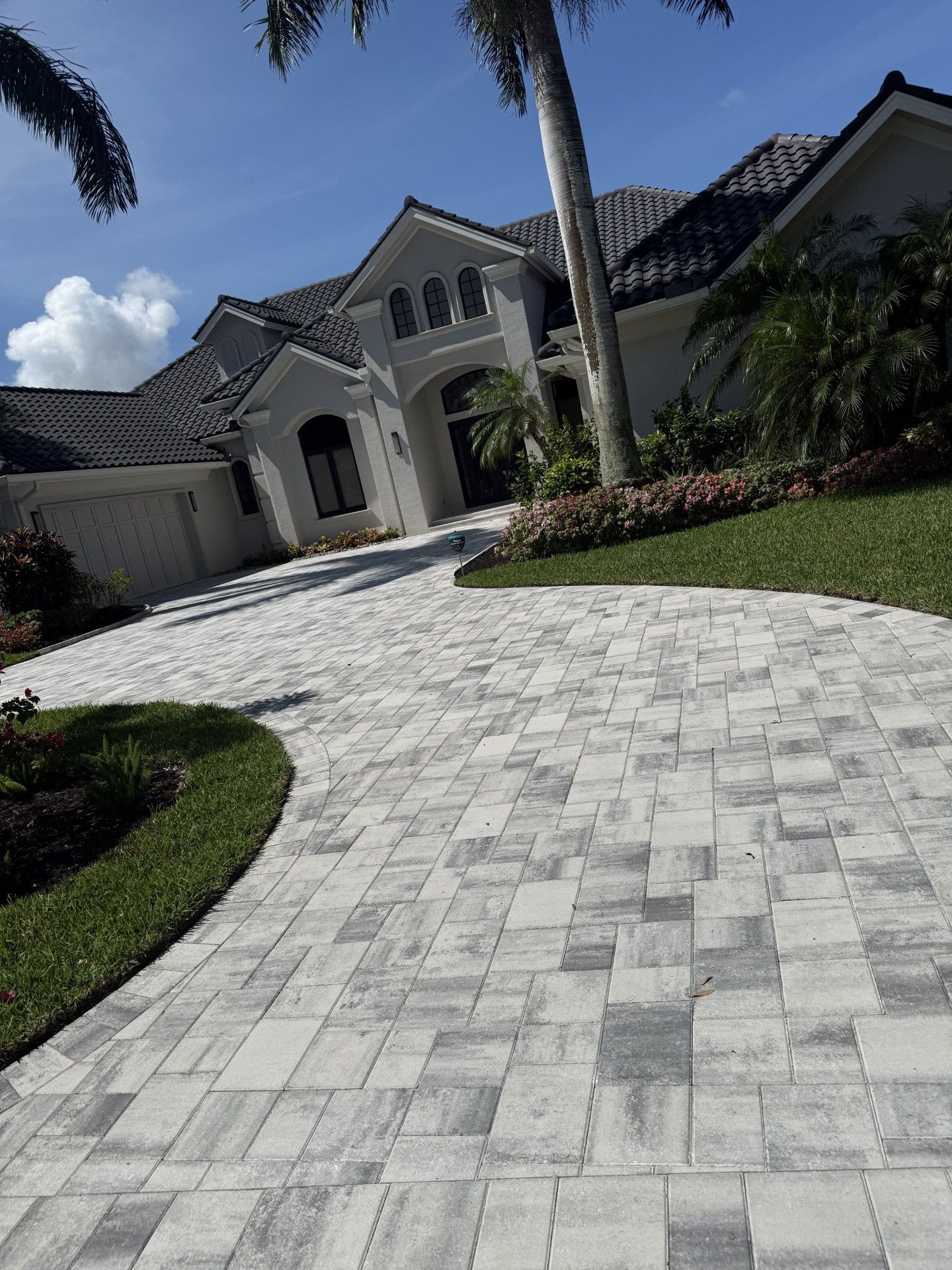
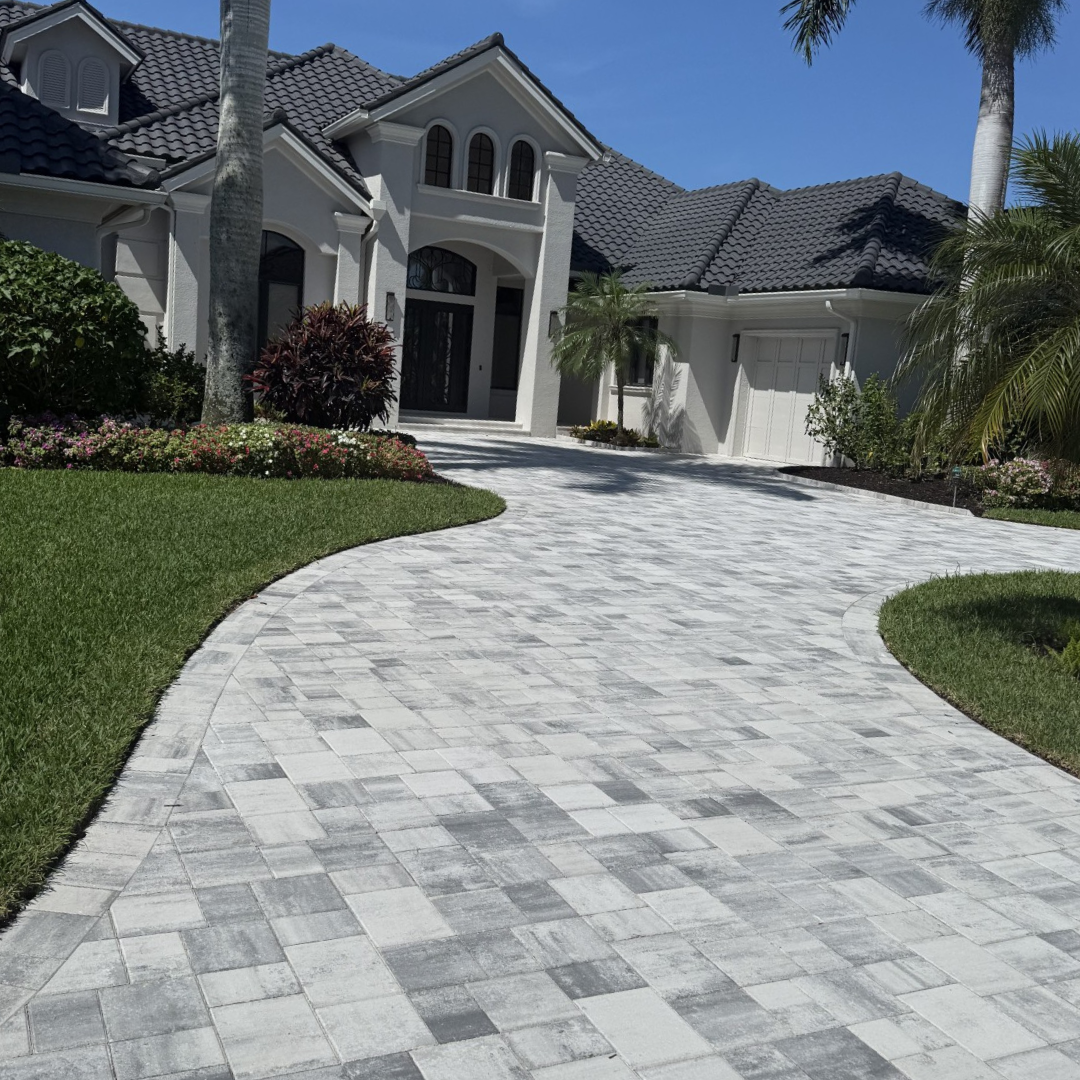
The design of your lanai should complement your home while maximizing functionality. Coordinate colors, textures, and patterns with existing structures for a cohesive appearance. Incorporating focal points, such as mosaics, medallions, or unique patterns, adds visual interest and character. Thoughtful lighting enhances both safety and ambiance, allowing your outdoor space to shine during evenings.
Selecting furniture and décor that harmonize with your pavers further elevates your lanai’s aesthetic. Plantings, planters, and landscaping features add natural warmth and soften the hardscape. Strategically placed greenery not only enhances beauty but can provide shade and privacy, creating a more inviting outdoor retreat. Outdoor rugs, cushions, and decorative elements can also complement paver patterns, adding layers of comfort and style. With these design considerations, your lanai becomes more than just a patio—it transforms into an integrated and welcoming extension of your home.
Maintaining and Caring for Lanai Pavers
Proper maintenance ensures that lanai pavers retain their beauty and functionality over time. Regular cleaning, power washing, and debris removal prevent dirt buildup and staining. Weed and pest control further maintains the integrity of your paver layout. Promptly addressing damaged pavers prevents further deterioration and preserves safety. Seasonal maintenance, such as clearing snow, addressing drainage issues, or checking for sun damage, keeps the space functional year-round. Minor maintenance tasks, like adjusting joint sand or repositioning shifted pavers, help prevent larger problems over time. With proper care, your lanai pavers remain a durable, attractive, and enjoyable feature of your home for years.
By carefully considering material choice, installation techniques, site preparation, budgeting, aesthetics, and maintenance, your lanai pavers project can transform your outdoor space into a beautiful and functional retreat. With thoughtful planning and professional guidance, your lanai will provide long-lasting value and enjoyment. For expert advice and professional installation, trust Able & Willing Pavers II Inc to bring your vision to life.
Share On: