
Questions About Pool Decks You Should Ask Prior to Installation
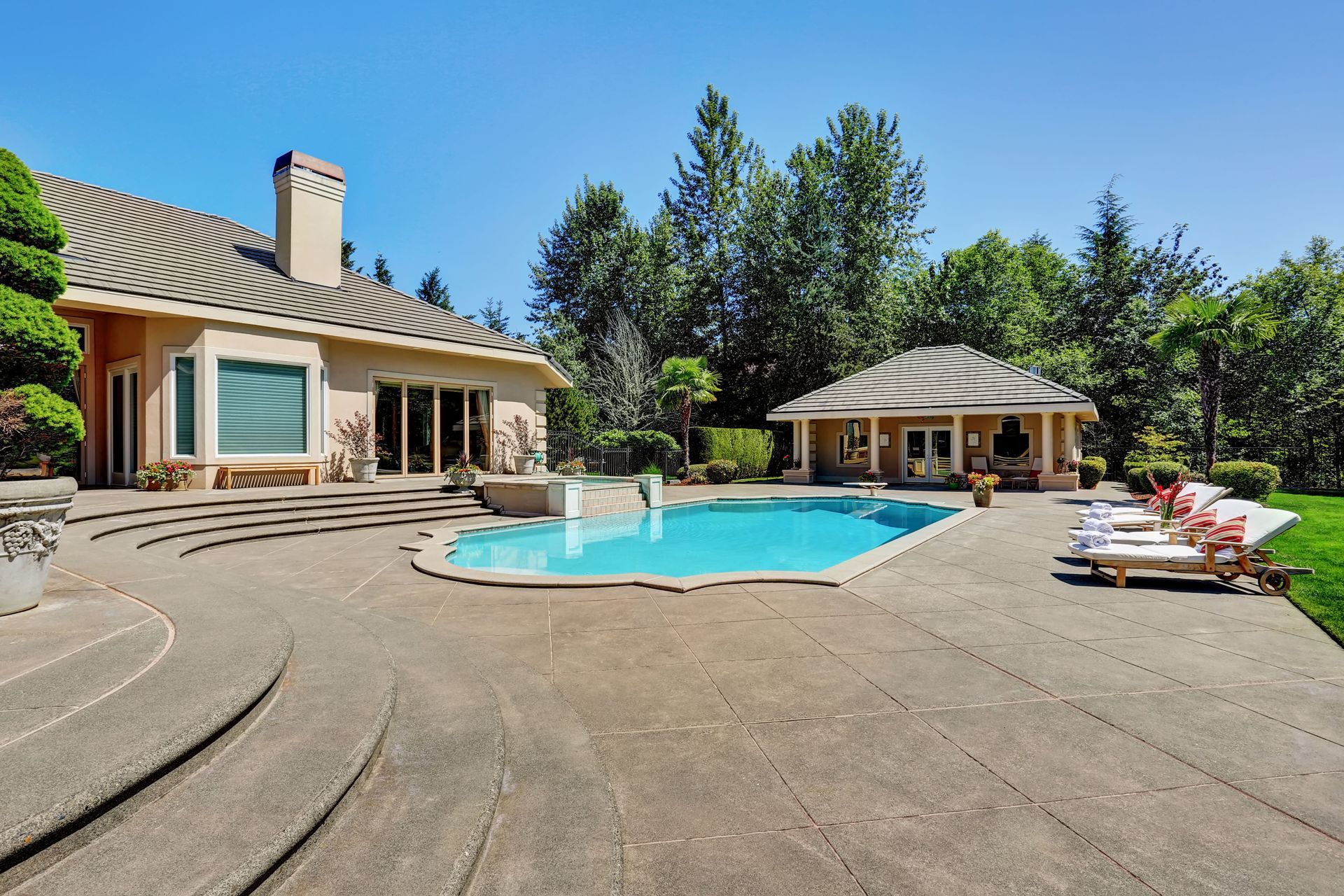
Choosing to upgrade your backyard with a swimming area is one of the most significant investments a homeowner can make. While much of the focus usually lands on the shape of the pool or the filtration system, the surrounding surface is arguably more important for daily enjoyment. Modern pool decks serve as the bridge between your home’s architecture and your outdoor lifestyle. However, before the first shovel hits the dirt, there are critical logistical and aesthetic questions that must be addressed to ensure your investment stands the test of time.
Evaluate Your Local Climate Needs
The first step in any successful hardscape project is acknowledging the environment. Different materials react uniquely to temperature swings, humidity, and UV exposure. If you live in a region prone to "freeze-thaw" cycles, certain natural stones might crack as moisture expands within their pores. Conversely, in scorching southern climates, some dark-colored composites or stones can become painfully hot to the touch.
When discussing options with a professional, ask how specific materials handle thermal gain. You want a surface that remains comfortable for bare feet even in the peak of July. Furthermore, consider the drainage requirements of your specific lot. A high-quality installation must account for water runoff to prevent pooling, which can lead to slippery surfaces or structural erosion over time. Proper grading ensures that rainwater and splashed pool water move away from the pool edge and the home's foundation, protecting the integrity of your entire landscape.
Beyond temperature, consider the chemical environment. Saltwater pools are increasingly popular, but the salt can be corrosive to certain types of soft limestone or unsealed concrete. Asking your contractor about the "salt-resistance" of your chosen material can prevent premature pitting or crumbling. If you are opting for a high-end look, ensure the stone or paver is dense enough to withstand the constant splash-back of treated water.
Select Slip-Resistant Surface Materials
Safety is the non-negotiable priority when designing around water. The texture of your walking surface dictates the "slip-resistance" rating of the area. Polished stones or smooth tiles might look sleek in a showroom, but they become skating rinks once a child climbs out of the water. This is why texture is your best friend when browsing options for pool decks.
Look for materials with a natural "grip," such as tumbled travertine, textured concrete, or specialized pavers. These options provide the necessary friction to prevent accidents without being abrasive to the skin. During the selection process, it is helpful to request samples and douse them with water to feel the texture firsthand. A beautiful deck is useless if your guests are afraid to walk across it.
In addition to the material itself, consider the "joint" spacing. In paver installations, the small gaps filled with sand provide additional micro-texture that helps with traction. If you are leaning toward poured concrete, ask about "broom finishes" or "salt finishes" which add subtle indentations to the surface. These small details are what separate a professional-grade installation from a DIY project that might result in a trip to the emergency room.
Determine Long-Term Maintenance Requirements
Every homeowner wants a low-maintenance yard, but the reality is that all outdoor surfaces require some level of care. You need to ask yourself — and your contractor — how much time and money you are willing to spend on upkeep five years down the line. Wood decks require periodic staining and sealing to prevent rot and splintering, and they are susceptible to warping in high-moisture environments.
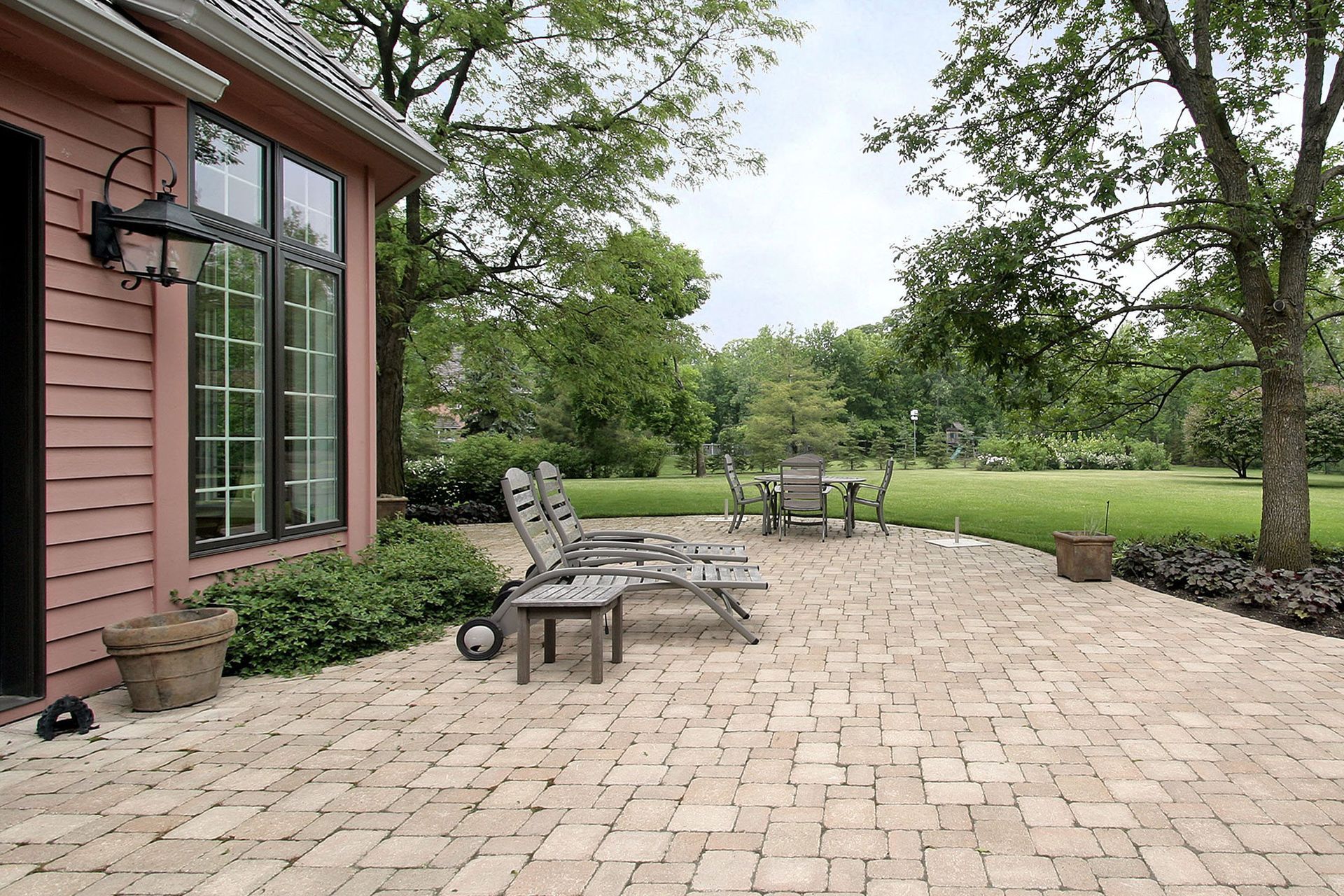
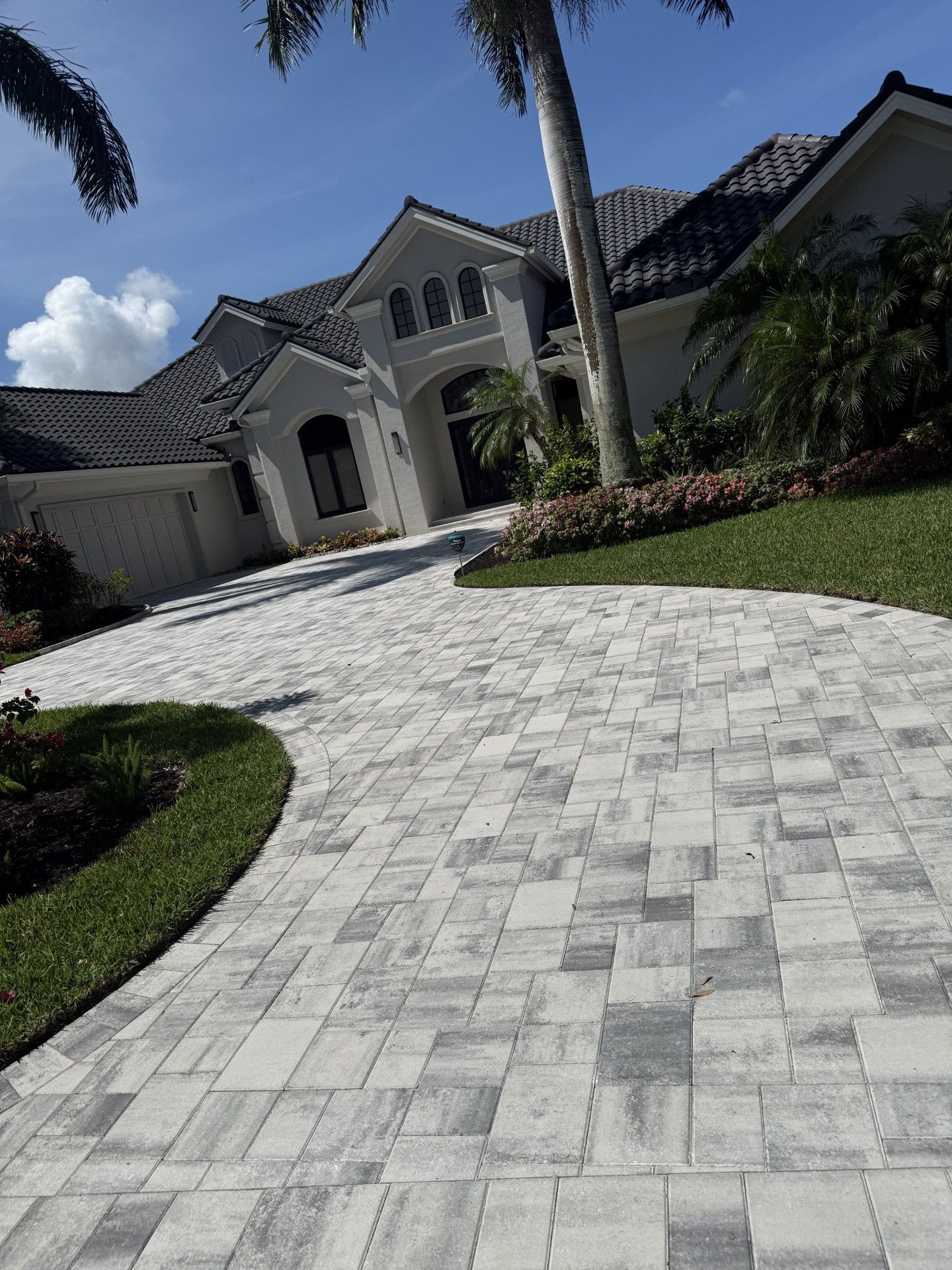
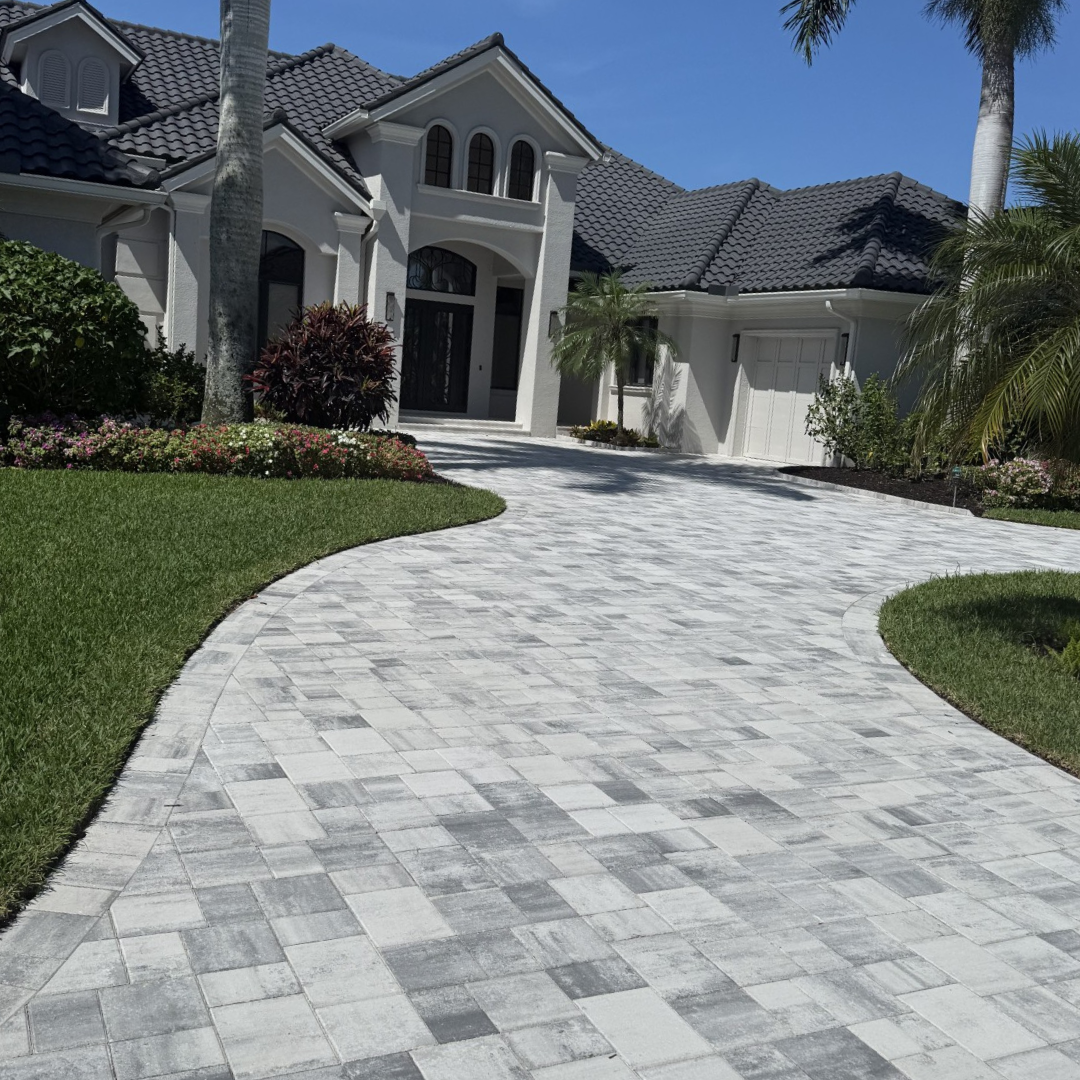
Poured concrete can crack as the ground shifts, often requiring expensive patches that never quite match the original color. Pavers, on the other hand, offer a "flexible" pavement system that can be repaired piece-by-piece if a utility line needs service or a single stone becomes stained. According to ICPI, well-cared-for paver installations may remain functional and intact for anywhere between three to five decades. This longevity makes them a premier choice for those looking to build once and enjoy for a lifetime.
Maintenance also includes weed prevention and cleaning. Ask your installer about the use of polymeric sand in the joints, which hardens to keep weeds from sprouting between the stones. Furthermore, check if your chosen material requires a specific type of sealant. Some sealers enhance the color of pool decks, making them look "wet" and vibrant, while others provide an invisible barrier against food spills or chlorine spots.
Calculate Total Project Cost Projections
Budgeting for pool decks involves more than just the initial price per square foot. You must factor in site preparation, excavation, base materials, and labor. A common mistake is allocating the entire budget to the pool itself, leaving the surrounding area as an afterthought. This often leads to homeowners settling for cheaper materials that they eventually regret.
When reviewing quotes, ask for a breakdown of "sub-base" preparation. A deck is only as stable as the ground beneath it. If a contractor offers a price that seems too good to be true, they might be skimping on the compacted gravel or sand layers that prevent the surface from sagging. In many regions, the soil is expansive or sandy, requiring specific geo-textile fabrics to keep the base layers from shifting.
It is also wise to set aside a contingency fund for unforeseen soil issues or drainage adjustments that may arise once the ground is opened. Often, once excavation begins, installers may find old utility lines or pockets of unstable soil that need addressing. Being financially prepared for these hiccups ensures the project doesn't grind to a halt halfway through.
Confirm Contractor Licensing and Insurance
Before signing any contracts, you must verify the credentials of the team performing the work. Hardscaping around a pool is technically demanding; it involves working near delicate plumbing and electrical lines. Ask for proof of general liability insurance and workers' compensation. If a worker is injured on your property and the contractor isn't insured, you could be held liable.
Beyond paperwork, ask for a portfolio of recent pool decks they have completed. A reputable contractor should be able to provide references from past clients who can speak to the crew's professionalism and the project's durability. Inquiries regarding the warranty on both materials and labor are also vital. In our experience, manufacturers often provide a lifetime warranty on the pavers themselves, but the contractor's labor warranty usually ranges from one to five years.
Make sure to ask about their specific experience with pool coping — the edge that meets the water. Coping requires precise cutting and specialized mortar or adhesives to ensure it stays level and secure. A contractor who mainly builds driveways might not have the finesse required for the intricate detail work of a pool surround. Choosing a specialist ensures that the transition from the water to the lounging area is seamless and structurally sound.
Transforming your backyard into a functional retreat requires a balance of beauty, safety, and durability. By asking the right questions regarding climate, safety, maintenance, and cost, you move from a place of uncertainty to one of informed confidence. High-quality pool decks do more than just surround a body of water; they provide a foundation for decades of family memories and significantly boost your property value.
Taking the time to research materials and vet your installers pays off in the form of a stress-free summer and a backyard that looks as good in year ten as it did on day one. When you are ready to turn these questions into a concrete plan, trust the experts who specialize in precision and longevity. For a consultation on your next outdoor project, contact Able & Willing Pavers II Inc.
Share On: